Groundwork Simulator how to play
The loop is four jobs, not forty: find gold-bearing ground, cut and haul it, wash it, sell it. Everything else in the game hangs off those four.
Find a promising deposit with the drill, dig it with the excavator, move it with the loader and trucks, feed the wash plant, then sell the gold from the Field Journal.
Groundwork Simulator is four jobs in a row: find gold-bearing ground, cut and haul it, wash it, sell it. Everything the game gives you — three machine types, water routing, a trailer, a wash plant — exists to serve one of those four, and the fastest way to learn the game is to stop thinking of it as a sandbox and start thinking of it as a worksite with a bottleneck that moves.
Step 1 — find the ground worth digging
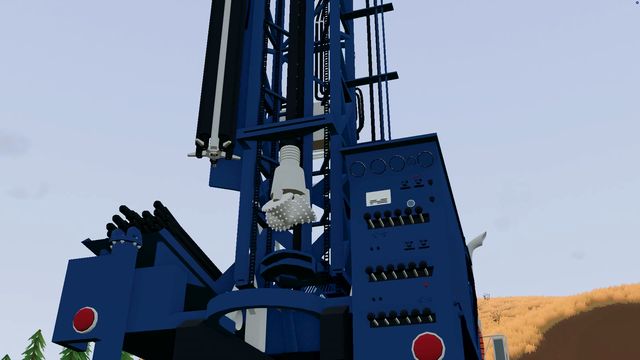
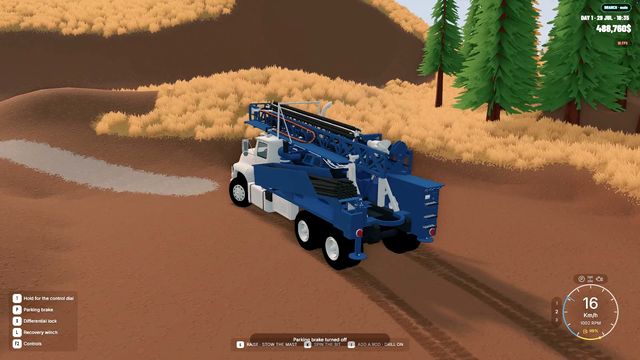
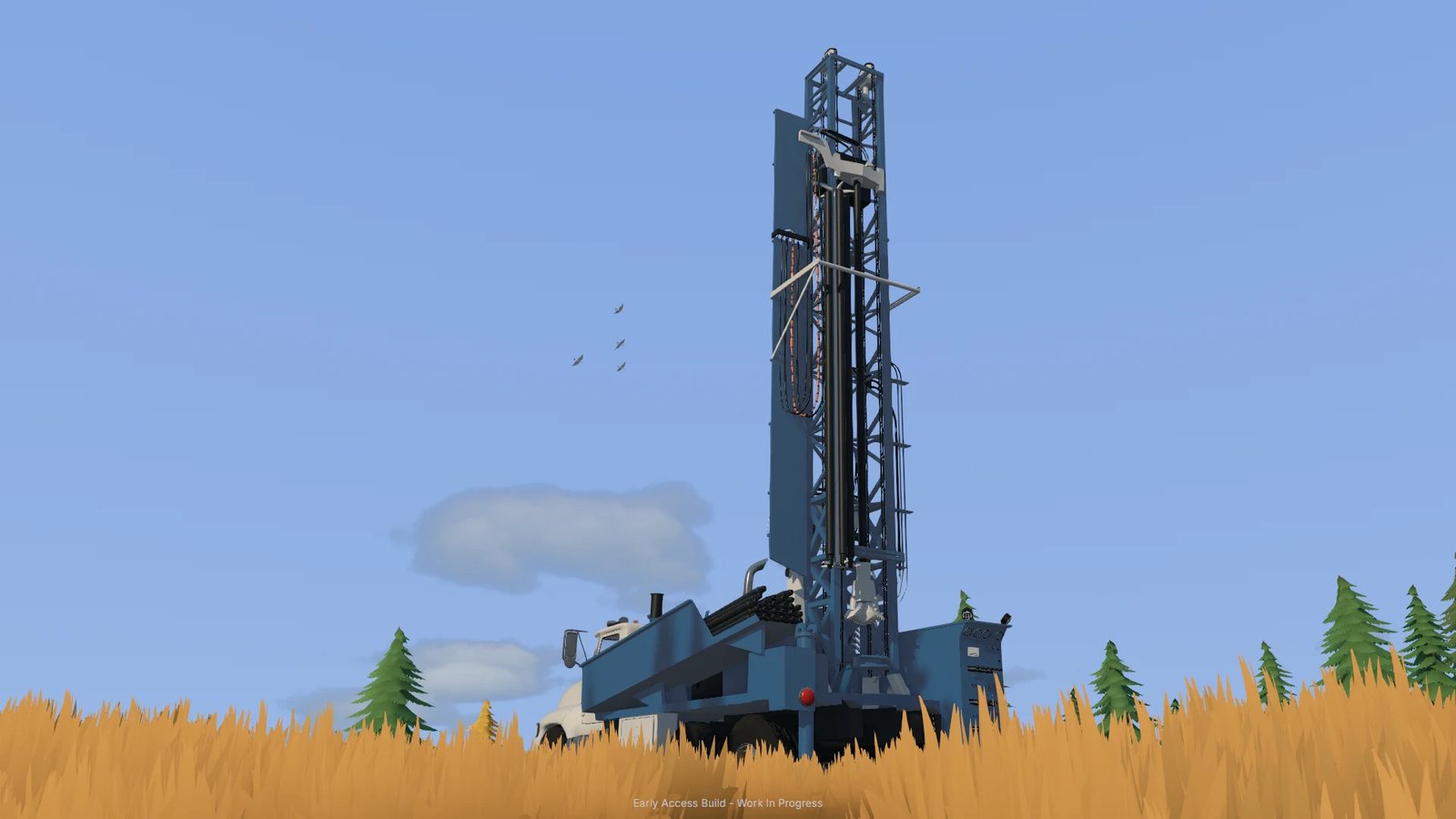
The loop does not start with a bucket. It starts with a drill. The developer's own description is explicit: explore the land, drill and test for deposits, then choose your digging spot. The first test hole is framed as the start of the journey, and that ordering matters — material from ground you never tested is material you paid to move for nothing.
In practice: pick a promising area, drill it, and let the result decide where the first cut goes. The terrain and digging page covers what to look for in the ground itself; the short version is that you want gold-bearing material you can reach without building a switchback first.
Step 2 — dig it out
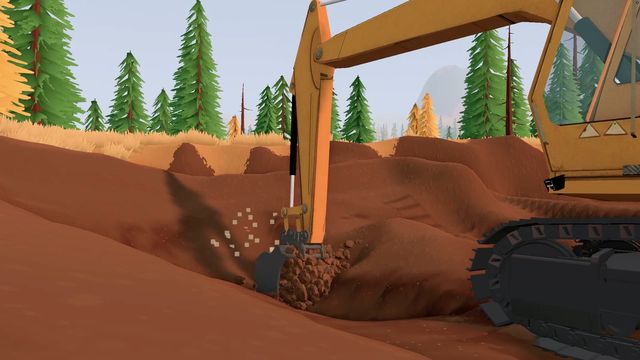
The excavator is the cutting tool. The store page describes the digging as a simulation with hydraulic feedback: the bucket meets resistance, you work the angle, and the machine responds as material builds up inside it. That is not decoration — it is the reason two players digging the same hole get different results. Fight the machine and you spend the load scraping; work with it and the bucket fills.
| Job | Machine | What it is doing |
|---|---|---|
| Cut into the face | Excavator | Breaks ground, fills the bucket, loads out |
| Move loose material | Wheel loader | Carries dug material to the stockpile or the truck |
| Shape the ground | Bulldozer | Pushes, grades and clears the route |
| Move between sites | Truck + trailer | Hauls the machines themselves |
The machines overview goes deeper on when to switch, but the rule of thumb is simple: if you are using the excavator to carry material across the site, you are doing the loader's job with the wrong machine.
Step 3 — haul it without losing it
Hauling is where the simulation pushes back. Mud, slopes and rough ground make every route a decision, traction matters, and a heavy load changes what the machine will do on a grade. The developer's own line is worth quoting because it is the honest description of the middle game: sometimes the next job is improving the ground beneath your wheels before you can get back to digging.
That means the haul route is a piece of infrastructure you build and maintain, not a path you discover. Keep it short, keep it graded, and put spoil where it will not close the road behind you. Players also hit a material bug in the launch build where dirt passes through a dump truck bed — launch week has the thread and what players tried.
Step 4 — wash it
Dug material is not gold yet. The washing chain is wash plant, sluice boxes and shaking table: feed the plant, let the sluices separate the heavy concentrate, then process that concentrate on the table. Water is the constraint — pumps and hoses have to be positioned and routed, and as the site grows the routing has to be re-planned.
If the plant is starved of water or fed unevenly, the material still disappears and the gold does not show up where you expect it. The gold washing guide treats the plant as a small factory with an input, a water supply and an output.
Step 5 — sell, then reinvest
Selling happens in the Field Journal, in the gold price panel, which shows recent price movement and a demand figure that refreshes on a daily timer. The company ledger tracks the operation, and the machine dealer is where new equipment comes from. Money and progression covers the panels; the habit to build early is checking the price before you sell rather than after.
The loop in one line
Test the ground, cut it with the excavator, move it with the loader, keep the route drivable with the dozer, wash it with water you routed yourself, and sell it when the Field Journal says the price is worth it. When one of those five stalls, that is your next job — not a new hole.
If you are starting from zero, read the beginner guide next: it is this same loop with the first-hour decisions filled in.