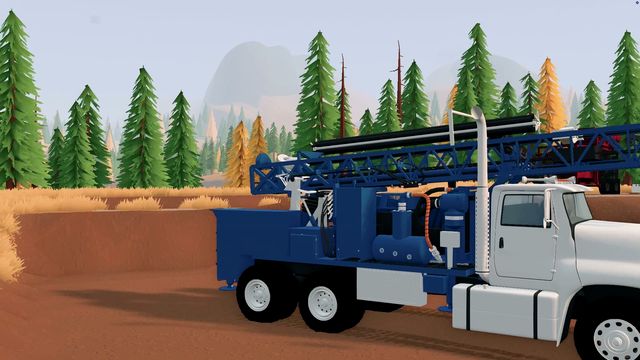
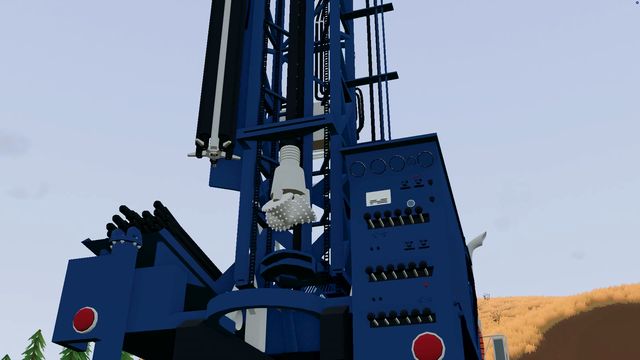
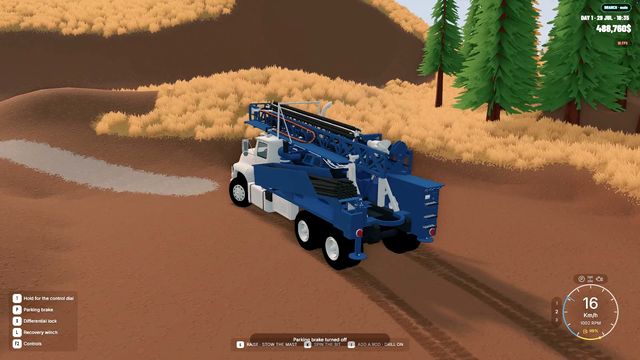
Groundwork Simulator gold washing
Dirt is only worth what the plant can recover from it. The washing chain is where a good dig turns into gold — and where a bad setup quietly loses it.
Run dug material through the wash plant, let the sluice boxes separate the heavy concentrate, then process that concentrate on the shaking table with water supplied by pumps and hoses.
Dirt is not gold, and the gap between them is the wash plant. Groundwork Simulator's own description lays the chain out in order: excavate promising material, wash it through the sluice boxes, then process the concentrate on the shaking table. Four pieces of equipment, one continuous flow, and a water supply that has to reach all of it.
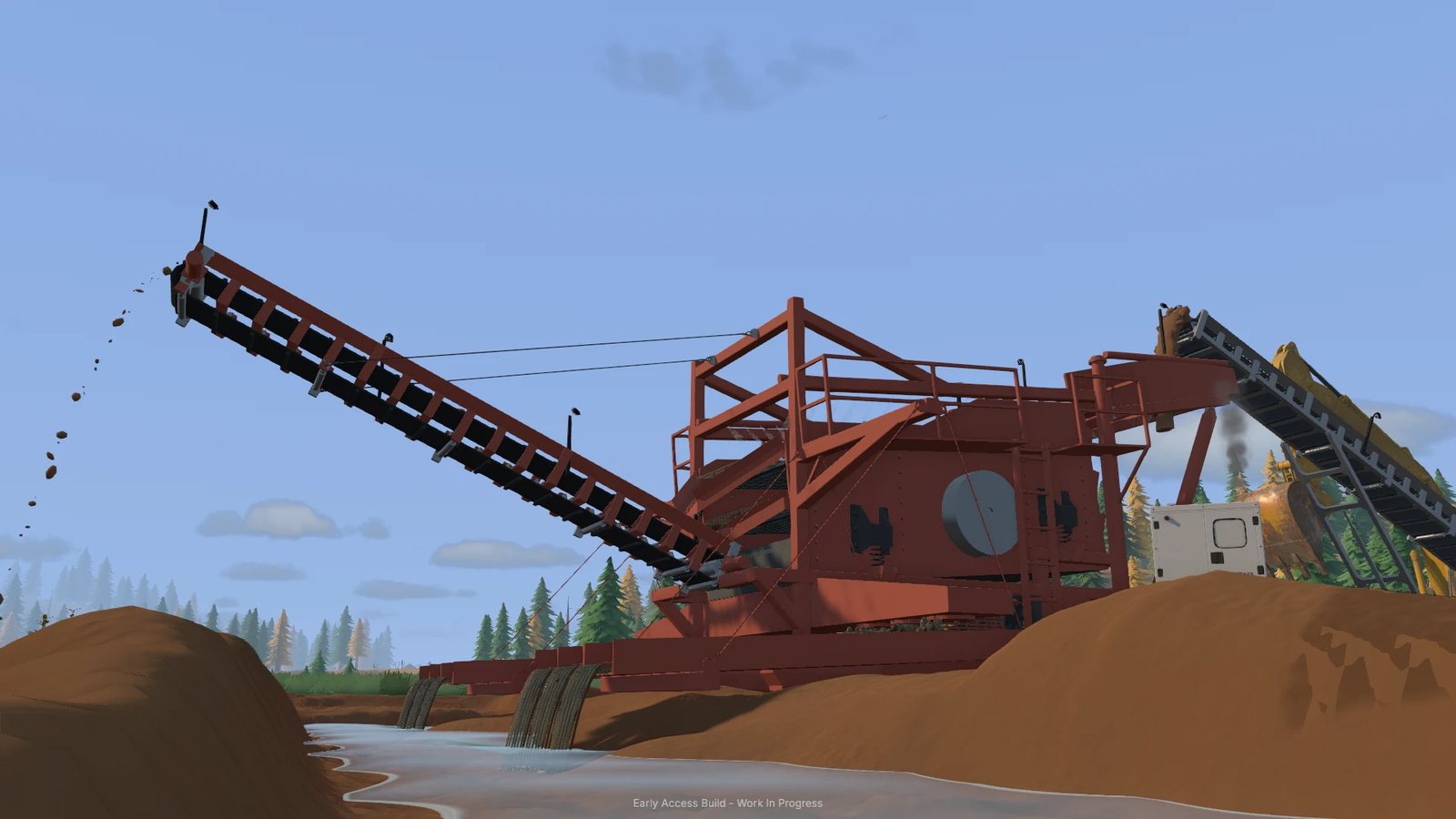
The chain, in order
| Stage | Equipment | What it does | What breaks it |
|---|---|---|---|
| Feed | Excavator and loader | Puts dug material into the plant | Feeding unbroken ground or feeding unevenly |
| Transport inside the plant | Conveyor | Carries material into the washing stage | A starved belt — the plant runs empty |
| Separation | Sluice boxes | Water carries material over the boxes and the heavy concentrate stays behind | Not enough water, or too much flow |
| Finish | Shaking table | Processes the concentrate into recoverable gold | Concentrate dumped on the table faster than it can process |
| Supply | Pumps and hoses | Delivers water where it is needed | A plant plumbed once and never extended |
That table is the whole page in miniature. The rest is what each stage wants from you.
Water is the constraint, not the dirt
The developer's water system is a routing problem: bring water to the washing operation with pumps and hoses, position the equipment, route the connections across the site, and get water flowing where it is needed. As the site grows, adapt the setup to keep the plant supplied.
Two practical consequences. First, water infrastructure should be built before the stockpile, not after — the more material you have waiting, the more tempting it is to run the plant dry. Second, plan the hose run along the same corridor as the haul route you are already maintaining; two pieces of infrastructure in one corridor are easier to extend than two crossing ones.
If you cannot get a connection to release, this is the one control players answered for each other on launch day: right-click the pipe at the pump to disconnect it.
Feeding the plant properly
The plant has a throughput, and the loop around it has to match. Three rules that hold regardless of what equipment you have:
- Break before you feed. Sluice boxes want material that has already been broken up, not chunks straight off the face.
- Keep the feed steady. A plant that runs empty then floods processes worse than one fed at a constant rate; the pause is what makes the numbers feel random.
- Never stockpile between the cut and the plant without a reason. Every stockpile is a second handling step, and the loader lap you add is time the plant spends idle.
Building the plant on site
Position matters more than people expect. Put the plant on flat ground near the water source you can actually reach, close enough to the cut that the loader lap stays short, and leave yourself room to extend — the roadmap's Update 2 adds new wash plants and expanded processing equipment along with more in-depth wash-plant controls, so a layout that cannot grow is a layout you will rebuild.
The other positioning constraint is the trailer. Equipment arrives by truck and trailer, so the plant needs an approach that a loaded trailer can actually take. A plant on a bench with a tight turn into it is a plant you will fight every time you move it.
Troubleshooting the washing chain
| What you see | Most likely cause | Fix |
|---|---|---|
| Plant running but nothing recovering | Feed is too coarse, or water is not reaching the sluices | Break material finer; check the hose run end to end |
| Gold shows up late and thin | Concentrate is being processed too fast for the table | Slow the feed, let the table work the concentrate |
| Plant keeps stalling | Water supply not keeping up as the site grew | Add or re-route pumps, shorten the hose path |
| Everything works but the day disappears | Haul lap too long relative to plant throughput | Move the plant, or shorten the route |
Where washing sits in the loop
Washing is the middle of the operation, but it is also the part that decides whether the digging was worth it. A site that digs fast and washes badly produces a big pile and a small return; a site that digs at the plant's pace produces steady gold. If you are still choosing between spending time on the cut and spending time on the plant, spend it on the plant first — the beginner guide makes the same argument from the first hour.
Once the plant is reliable, the next constraint is usually the ground you are driving on. Terrain, slopes and haul routes covers that, and money and progression covers what to do with the gold once it is out.